Written By: Abygail Pulido
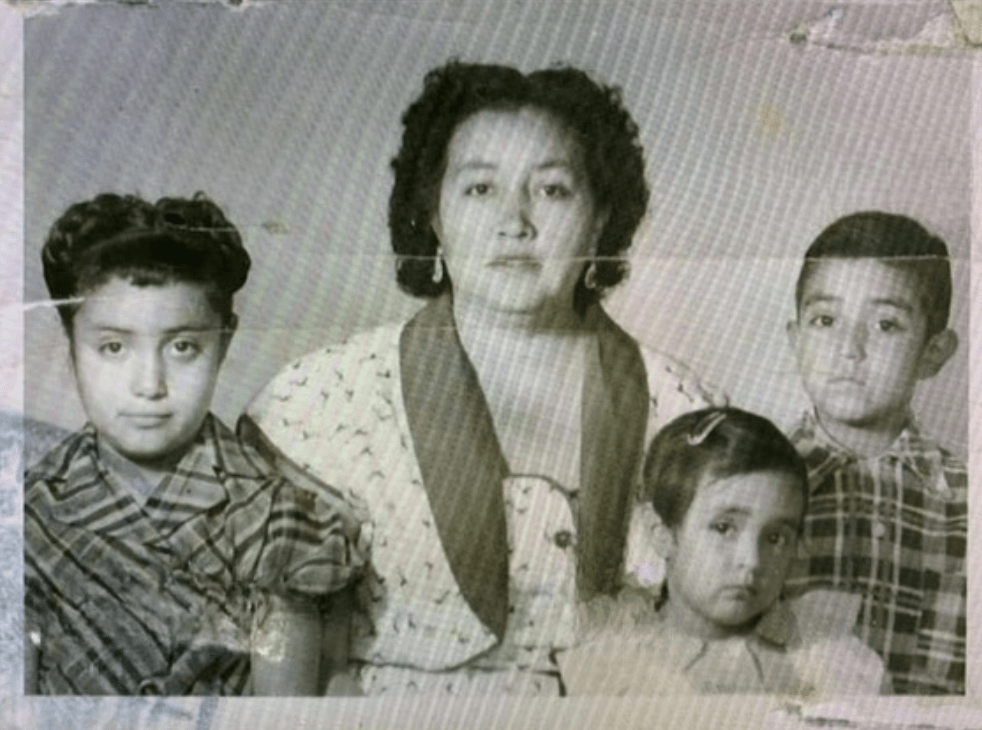
*graphic provided by Abygail Pulido and family. Pictured above from left to right: “My Gran tía Bertha, Great Grandma, Grandma, Gran Tío”
Introduction
In many cultures, the saying “memento mori” influences how someone will live their life. In Mexican culture, this saying is usually associated with Día de los Muertos, the Day of The Dead. This holiday and tradition have been passed down for generations in Latin America to honor loved ones who have died and remind others that death is a vital part of everyone’s life. A preeminent way people celebrate is by creating an Ofrenda, an altar containing offerings for their loved ones to take on the journey into the afterlife and replenish their souls.
Growing up, remembering loved ones who have passed away has always been important for my family. Many families decorate the graves of their loved ones and light candles in their homes year-round; however, after my grandparents moved to the U.S. from México, some of my family lost their consistency and love for the Ofrenda, and I’m determined to bring it back.
Memories
I remember the dirt mostly. It covered everything from the fake flowers to old candy wrappers, the candles, and, most importantly, the grave. My dad lost his brother, my Tío, when I was very young, but I have always felt connected to him because we spent time cleaning the dust off his grave and leaving him flowers and his favorite beer. Cleaning the graves of loved ones and decorating them is also a way to show your love when the dead visit. It’s a beautiful way of demonstrating that their eternal resting place is welcoming and not forgotten by their family, who are still alive.
My grandma, who is on my mom’s side, shares this tradition with us.
“Photos were special back then, and we didn’t have much money to make an ofrenda. Pero siempre encendíamos velas todas las noches. The cemetery in Juárez where my siblings were buried was caved and full of weeds. We would go with my mom and scrub off the dirt with soap and water and pick out the weeds.”
My grandma rarely talks about her life in México as a young girl, but she will always make sure I know how loved her family was and still is. Even now, my grandma and her sisters light candles and pray the rosary every night for their siblings who have since left this world. Not all of her siblings made Ofrendas for Día de Muertos because there was no one to encourage that tradition for them, especially since they didn’t have the most money and live far from where their loved ones are buried now. Instead, our community and churches often did a large Ofrenda in which everyone participated. In El Paso and Socorro, where most of my dad’s family lives, the cemeteries will never be empty on November 2nd. They are full of love, gifts, music, and laughter by everyone making the effort to visit the deceased.
Reconnecting with Old Traditions
This year has been challenging for me and many people in my life. We have lost friends, family, pets, and so many more. I decided to do something to reflect on the last few years and show my friends and family that no matter what, they would always be in my heart—an ofrenda. I invited my friends and family to participate and was overwhelmed by the support and gratitude I was given. Ofrendas don’t have to be perfect or extravagant, but they should include a few things.
- Three levels represent earth, purgatory, and heaven or the other world. This is important because each level or layer should contain something specific to help your loved ones on their journey or recognize them. Ofrendas can also be two layers or a simple table, but they should still be set up in a way that looks like a path to a loved one’s photo.
- Flor de Cempasuchil is marigolds and other flowers that bring color and joy to the altar. Many people sprinkle petals on the ground leading up to the altar to guide their loved ones to and through it. The flowers are also used as decorations on multiple levels. These flowers are sometimes formed into an arch at the top of the altar.
- Velas or candles are also a guiding light for your loved ones to see the altar. While many people light them all at once, it is common for many families to light a candle every day from October 26th to November 2nd. This is to dedicate separate days to pets, friends, recently departed, and ancestors.
- Papel Picado are paper banners that represent heaven and earth. They are often engraved with calaveras or flowers and hung on the table or the wall behind the altar.
- Pan de Muerto is a sweet bread that offers hospitality to the dead. It nourishes the soul and is sometimes placed on the second or first layer along with the departed’s favorite food, fruit, and water.
- Calaveras or sugar skulls show us embracing our loved ones in their new forms and reminding them of the afterlife.
- Photographs of loved ones are among the most essential parts of the altar. This tells your loved one they haven’t been forgotten and shows them that the gifts and love you’re offering are for them.
- Other things include incense, a bowl of salt, and religious artifacts for purification. Some people also like to include their loved ones’ favorite objects or something they owned when they were alive.
Reflection
I am no expert, but I give my heart to my culture and the people who are the reason I’m living a life so full of love and kindness. Creating an ofrenda has required a lot of research and vulnerability with friends and family, but it’s a reminder that traditions live when mortality fades, especially since I am so far from home and unable to visit the cemetery to continue with other traditions. This is for my grandma, who can no longer clean her sibling’s graves or remember where they were buried; it’s for my dad, who has tattoos to immortalize my Tío’s face; it’s for myself and my friends who had to keep going through the motions when we weren’t ready to let go yet. I thrifted a lot of things and gave what I had already, but I’m excited for my loved ones to know that some things, like love, never change.
I plan to celebrate Día de Muertos by cooking for my friends in Austin and allowing them to light a candle for the ofrenda while we share memories and the history of the people we love. This is my ode to anyone curious about Día de Muertos, an ode to the people’s stories who live through me and the graves I’ve swept, and an ode to the Calaveras and what they represent.
 The Liberator Magazine
Leave a comment